

Research
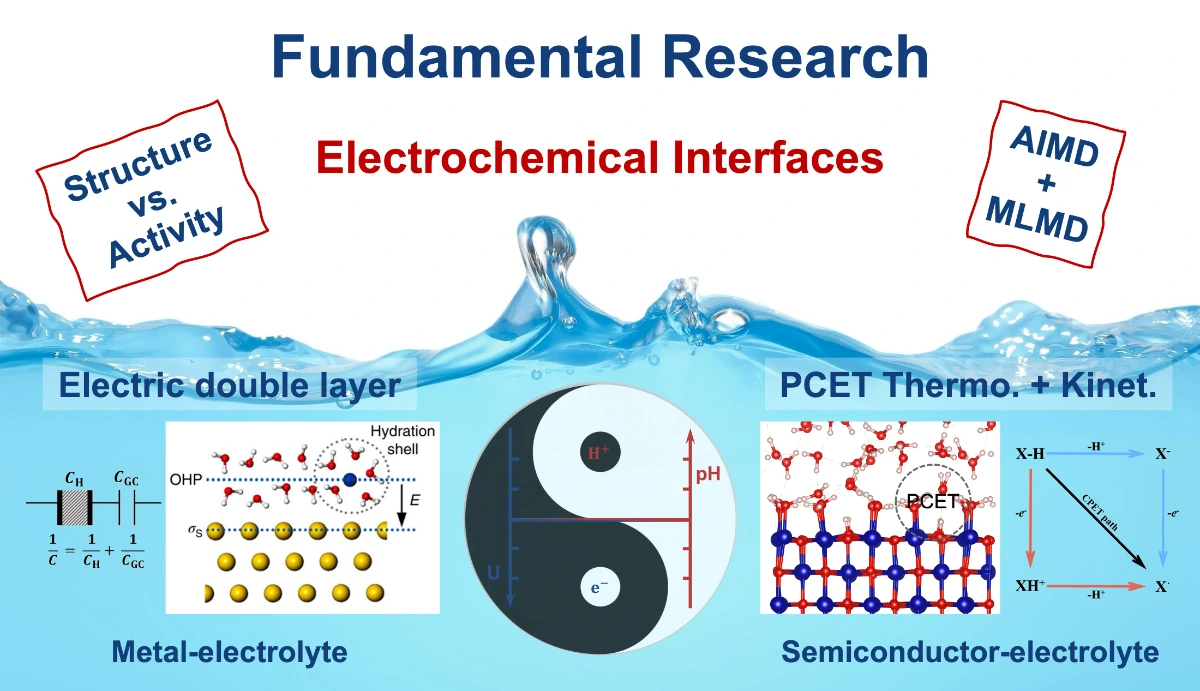
Fundamental Research
The Electrochemical Research Group investigates the fundamental mechanisms and theoretical foundations of electrochemical reactions, focusing on electrochemical interfaces, catalysis, and proton-coupled electron transfer. Through advanced theoretical modelling and computational methods, the group explores the influence of interface structures on reaction mechanisms, providing insights for material design and optimization in energy and environmental applications.
程俊 
胡晋媛 
王飞腾 
朱嘉欣 
顾健 
韩思源
Dynamic Catalysis
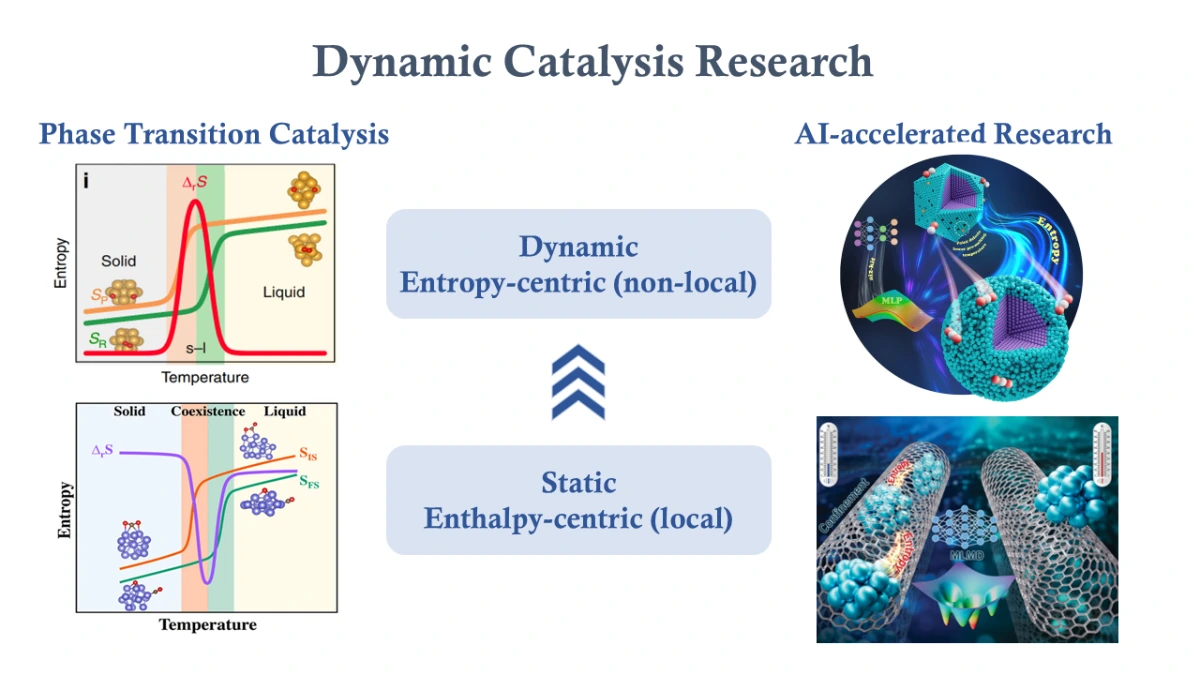
Heterogeneous catalysis systems exhibit highly dynamic behaviours under reaction conditions. The dynamic evolution of catalyst structures poses a great impact on catalytic performances. Traditional theoretical studies mostly focus on the most stable or several metastable catalyst structures. Further understanding of the in-situ dynamic evolution of catalysts is of great significance for understanding the reaction mechanism and optimizing the reaction activity. In previous works, our group systemetically investigated the interaction between the structural dynamics of catalysts and elementary reactions using the AIMD and free energy calculation methods. Furtherly, we developed ai2-kit workflow to generate machine learning potentials with the accuracy of first-principles calculations. This facilitates further investigation into the surface premelting of nanosized clusters and the impacts of confined supports during catalytic reactions. Looking ahead, our group will employ effective AI methods to simulate more realistic complex catalytic systems, with the aim of providing deeper insights into in-situ dynamic catalytic processes at atomic scale and facilitating the rational design and screening of catalysts by high-throughput calculations.

贾梦蕾 
吴倩云 
施忠浩 
李淑离 
王程玄

Electronic Electroplating
The Electronic Electroplating Research Group is dedicated to addressing key scientific issues in the electroplating process, utilizing methods such as machine learning, data-driven approaches, simulation, and first-principles calculations to drive the intelligent and efficient transformation of electroplating research. The research covers various fields, from molecular design of electroplating additives to multi-scale simulations of the electroplating process. The development of an integrated electroplating platform provides a theoretical research platform for optimizing electroplating processes and developing additive formulations. The exploration of electroplating formulations and interface mechanisms offers new theoretical insights for innovation in the electroplating field, while the advancement of novel simulation methods provides new theoretical tools and research approaches for electroplating studies.
杨晓晖 
亢培彬 
王钧义 
邱江鹏 
苏沿溢 
唐东艳 
穆德敏 - + 3
Knowledge Graph
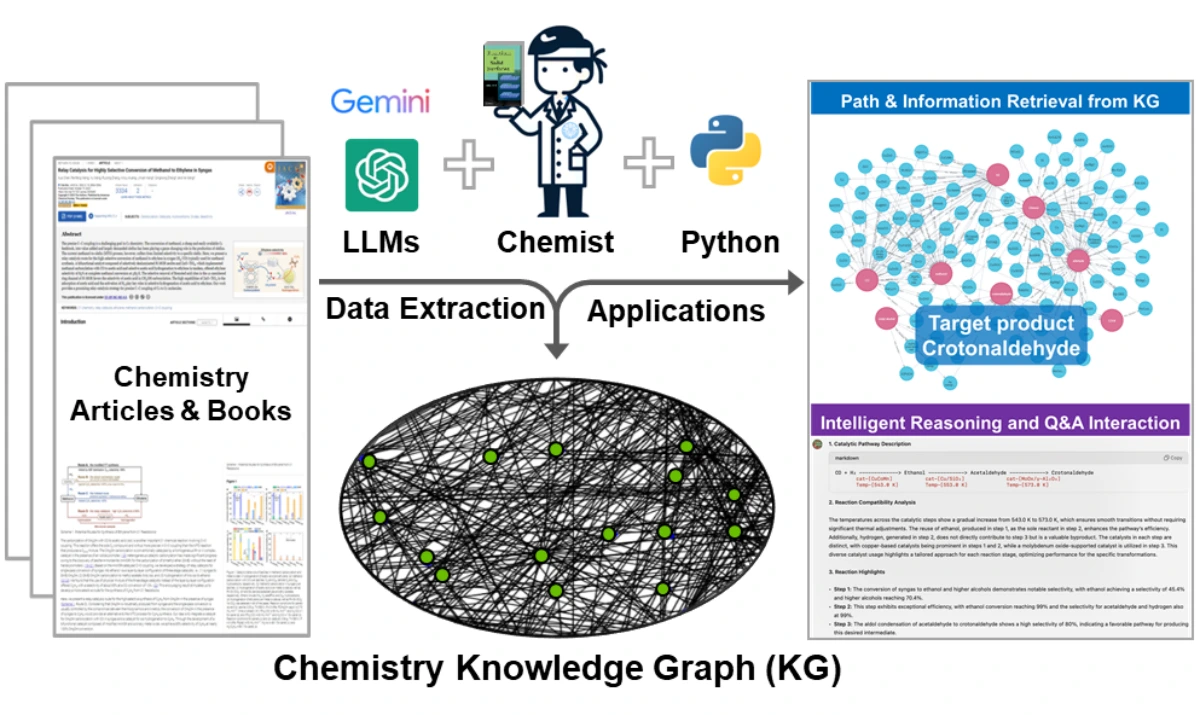
The Knowledge Graph Research Group focuses on chemical information extraction, knowledge graph construction, and applications, aiming to advance artificial intelligence-driven innovations in chemistry. Our team consists of experts from interdisciplinary fields such as chemistry and computer science, leveraging Large Language Models (LLMs), Knowledge Graphs (KGs), and Retrieval-Augmented Generation (RAG) to support chemical research and enhance scientists' ability to explore unknowns.

付飞 
王田田 
胡杰 
黄思婕
Battery Materials
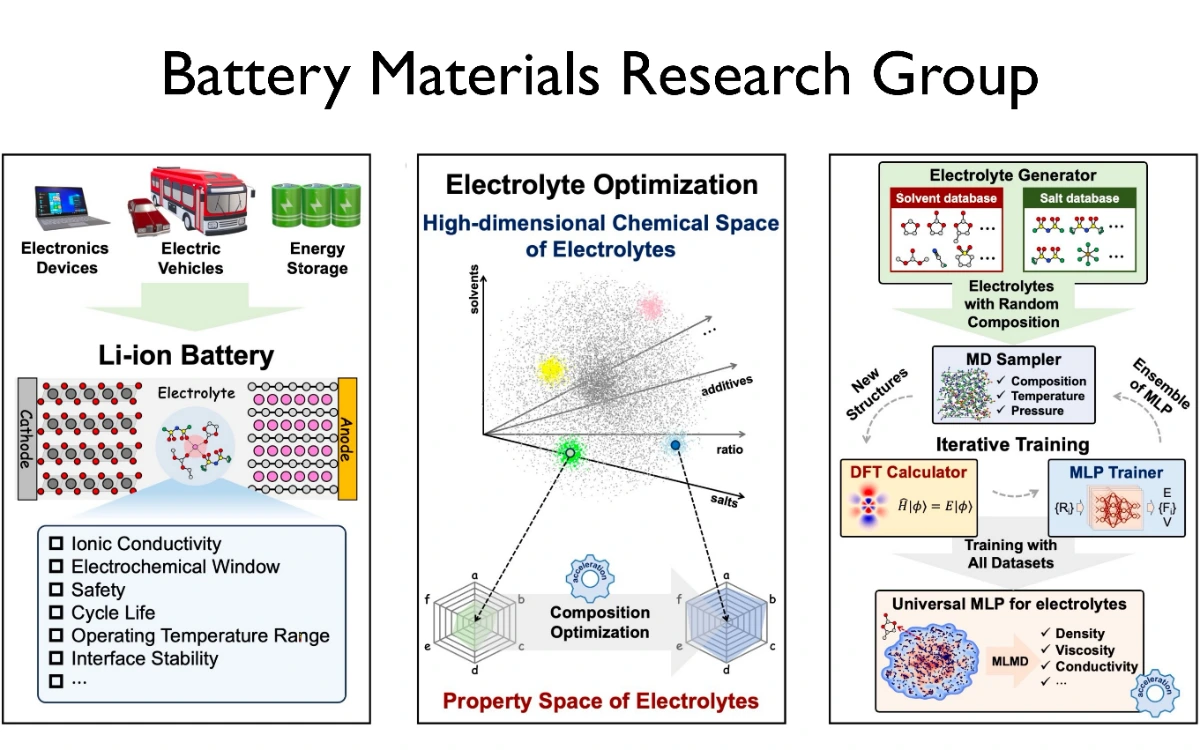
The Battery Materials Research Group focuses on the computation of physicochemical properties of battery systems, the construction of electrolyte knowledge graphs, and intelligent formulation design. Our aim is to develop an end-to-end intelligent research framework that bridges microscopic physicochemical insights with macroscopic performance evaluation through state-of-the-art techniques, including first principles calculations, molecular dynamics simulations, free energy perturbation theory, deep learning neural networks, and large language models. Our team, composed of members from materials science, chemistry, and computer science, is dedicated to establishing a comprehensive and accurate energy storage materials database along with universal potential function models. By integrating experimental data, we drive the intelligent design and optimization of electrolytes and battery materials, thereby advancing the theoretical foundations in materials and energy sciences.

王锋 
唐煜航 
李嘉欣 
徐凡杰 
申英利 
陈奕名 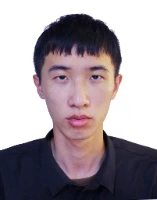
黄林
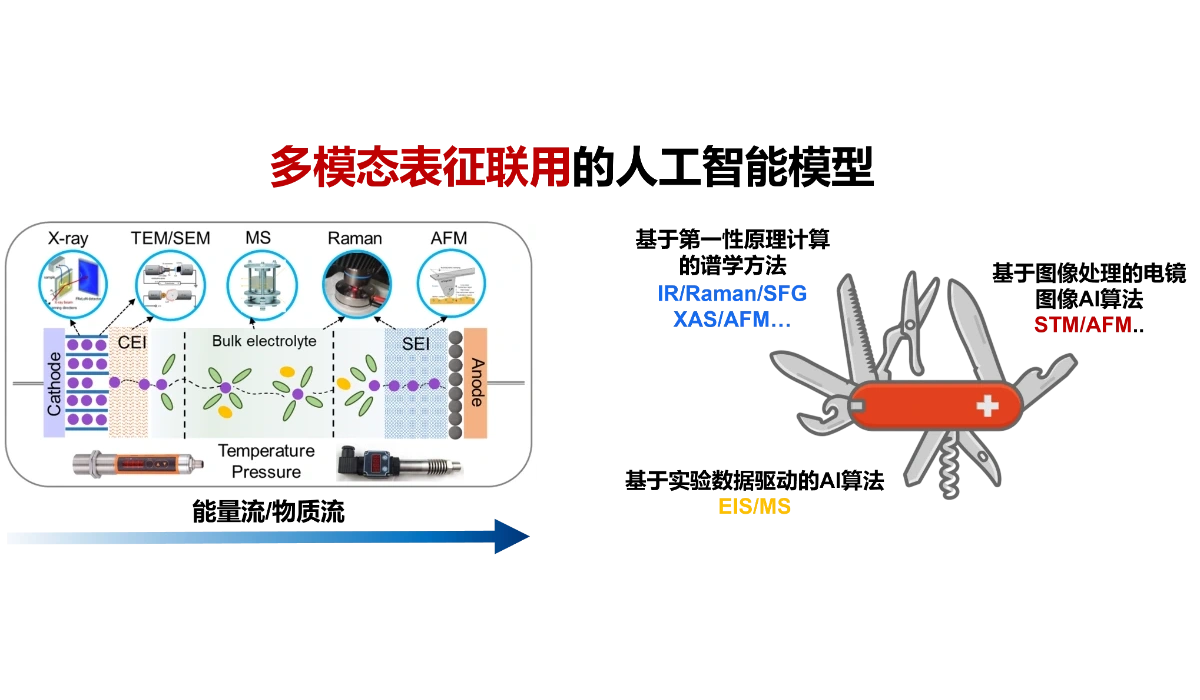
Computational Spectroscopy of Complex Interfaces
The Computational Spectroscopy of Complex Interfaces Group is led by Fujie Tang, a self-identified computational physicist. Our team consists of researchers from physics, chemistry, and computer science, dedicated to solving complex physical and chemical problems through theoretical and numerical approaches.
By integrating molecular dynamics simulations, first-principles calculations, and multimodal spectroscopic techniques—including vibrational spectroscopy (IR, Raman, and sum-frequency generation spectroscopy), excited-state spectroscopy, X-ray spectroscopy, and nuclear magnetic resonance (NMR)—we aim to develop a spectral-feature-to-microstructure correlation theory to address the challenges of characterizing and analyzing complex systems.

汤富杰 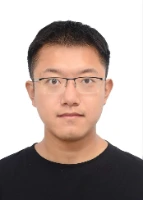
苏禹铭 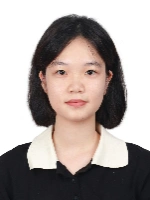
尤祺 
黄柏颖 
夏杰桢 
杜翔龙 徐凡杰 - + 4

Energy Storage Devices
The Energy Storage Devices Research Group focuses on innovative approaches to energy storage systems, with a strong emphasis on electrolyte optimization and intelligent design. Our team is dedicated to exploring the physicochemical properties of advanced battery materials and constructing comprehensive electrolyte knowledge graphs. Using state-of-the-art computational techniques such as molecular dynamics simulations, first-principles calculations, and deep learning methods, we aim to establish a seamless connection between the fundamental understanding of materials and the practical performance of energy storage devices. Our multidisciplinary team, consisting of experts from materials science, chemistry, and computer science, is committed to creating a robust database of energy storage materials and developing versatile models for electrolyte and battery material design. By integrating experimental data, we aim to accelerate the design, optimization, and innovation of energy storage devices, advancing both the theoretical and practical aspects of energy storage research.
毕晟 
王奕泽 
段志高
Oxide Interfaces
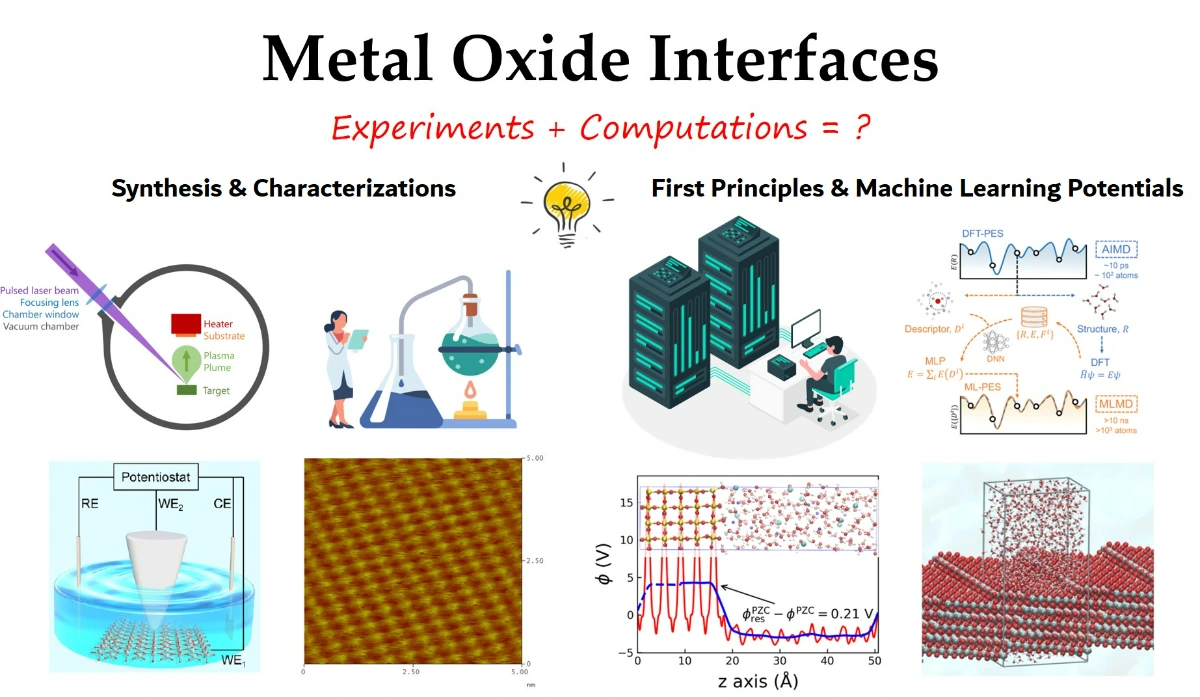
The Oxide Interfaces Research Group is dedicated to investigating the physicochemical properties of oxide material surfaces/interfaces, interface regulation mechanisms, and their innovative applications in energy-related fields. By focusing on the correlation between microscopic interface science and macroscopic performance, we aim to provide theoretical and experimental foundations for the design of novel functional materials and the development of advanced devices.
孙岩 
张举峰 
丁天一 
郑宗锐 
陈婷婷 
张泽华 
陈自强 - + 1
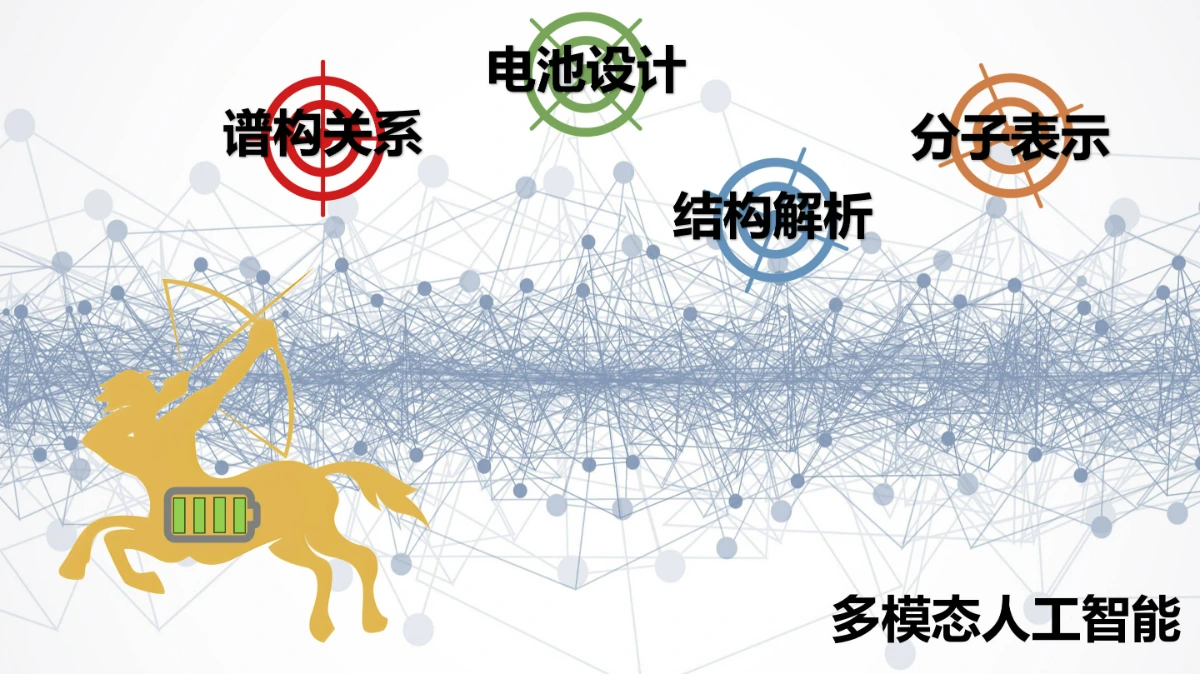
Multimodal Artificial Intelligence
The Multimodal Artificial Intelligence Research Group was established in September 2024, led by Fanjie Xu. Our team comprises members from diverse interdisciplinary backgrounds, including chemistry, biology, computer science, and artificial intelligence. We are dedicated to exploring multimodal learning and generative models for innovative scientific applications, with a particular focus on spectroscopy, materials science, and battery technology. By leveraging AI, we aim to uncover deep correlations within complex datasets, driving advancements in intelligent scientific research.
徐凡杰 
徐鹏威 
赵宇豪 
钟苏阳
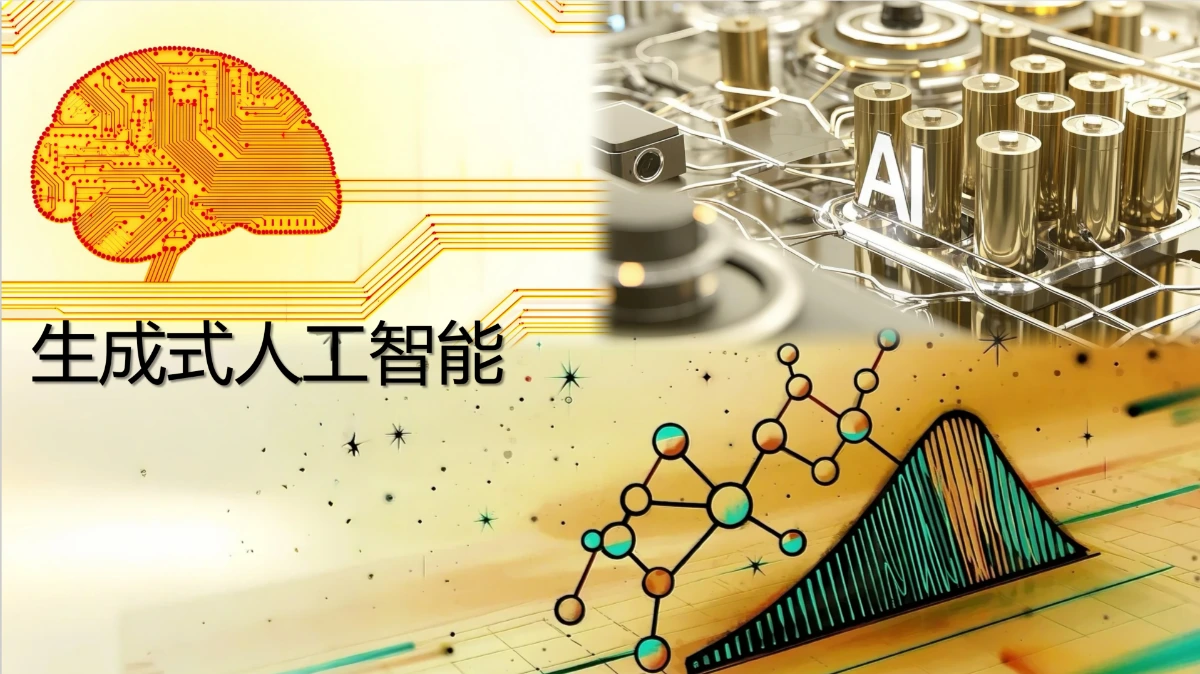
Generative Artificial Intelligence
The Generative AI Research Group focuses on three core research areas: Generative Distribution Modeling, Data-Driven Electroplating, and Reconfigurable Battery Systems. The group is dedicated to advancing the deep application of Generative AI in materials science and chemistry. Group members come from interdisciplinary fields including Computer Science and Chemical Materials, with the goal of enhancing innovation and application capabilities in materials and energy through cutting-edge technologies such as generative models and data-driven methods.
苏沿溢 
刘畅 吴倩云 
金昱丞 
刘悦阳 
龚玉雷 
谢锴 - + 1