
AI4EC logo
Research image
Research image
Research image
Research image
Research image
Research Highlights
Research image
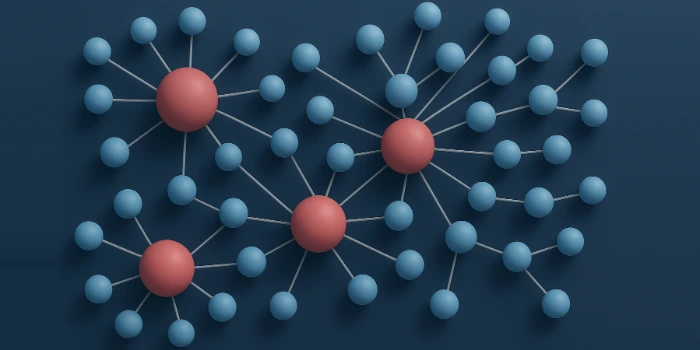
Synergizing a knowledge graph and large language model for relay catalysis pathway recommendation
Relay catalysis integrates multiple catalytic reactions to efficiently transform intermediates and enhance conversion and selectivity. However, designing these pathways and multifunctional catalysts is often lengthy and costly, heavily relying on in-depth literature analysis by experienced researchers. To address this, we developed an approach that combines a knowledge graph (KG) and large language models (LLMs) to automatically recommend multistep catalytic reaction pathways. Our method involves using an LLM-assisted workflow for data acquisition and organization, followed by the construction of a detailed catalysis knowledge graph (Cat-KG). After querying the Cat-KG, promising relay catalysis pathways are identified by applying scoring rules informed by expertise in relay catalysis. The LLM then transforms the structured pathways and reaction condition data into readable chemical equations and descriptions for chemists. This step integrates catalysis knowledge from the Cat-KG and helps avoid LLM-induced hallucinations by using reliable information. The method efficiently recommended relay catalysis pathways for ethylene, ethanol, 2,5-furandicarboxylate and other targets within minutes, identifying pathways consistent with reported ones while using different reaction conditions, validating its effectiveness. Thus, this strategy can extrapolate known and novel relay catalysis pathways, showcasing its potential for application in pathway selection.
2025-08-25
Research image
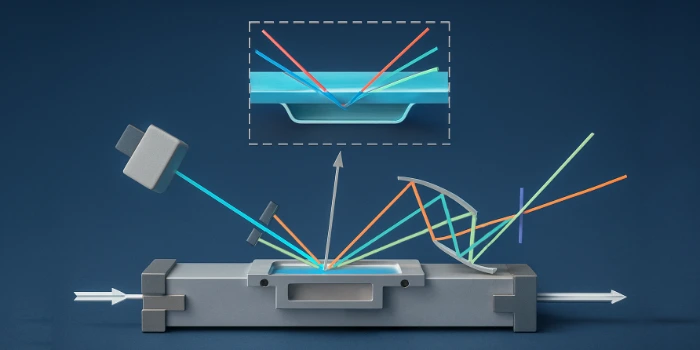
Interfaces govern the structure of angstrom-scale confined water solutions
Nanoconfinement of aqueous electrolytes is ubiquitous in geological, biological, and technological contexts, including sedimentary rocks, water channel proteins, and applications like desalination and water purification membranes. The structure and properties of water in nanoconfinement can differ significantly from bulk water, exhibiting, for instance, modified hydrogen bonds, altered dielectric constant, and distinct phase transitions. Despite the importance of nanoconfined water, experimentally elucidating the nanoconfinement effects on water, such as its orientation and hydrogen bond (H-bond) network, has remained challenging. Here, we study two-dimensionally nanoconfined aqueous electrolyte solutions with tunable confinement from nanoscale to angstrom-scale sandwiched between a graphene sheet and calcium fluoride (CaF2) achieved by capillary condensation. We employ heterodyne-detection sum-frequency generation (HD-SFG) spectroscopy, a surface-specific vibrational spectroscopy capable of directly and selectively probing water orientation and H-bond environment at interfaces and under confinement. The vibrational spectra of the nanoconfined water can be described quantitatively by the sum of the individual interfacial water signals from the CaF2/water and water/graphene interfaces until the confinement reduces to angstrom-scale (<~8 Å). Machine-learning-accelerated ab initio molecular dynamics simulations confirm our experimental observation. These results manifest that interfacial, rather than nanoconfinement effects, dominate the water structure until angstrom-level confinement for the two-dimensionally nanoconfined aqueous electrolytes.
2025-08-08
Research image
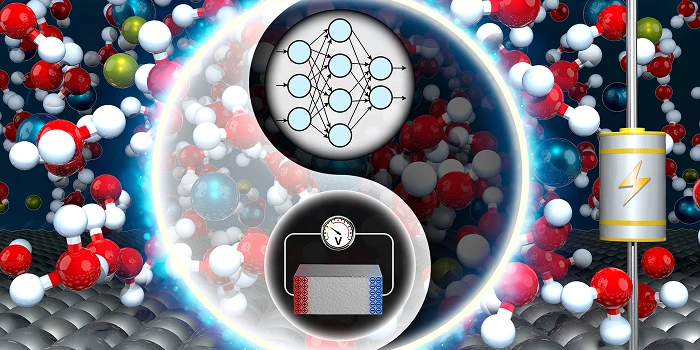
Machine Learning Potential for Electrochemical Interfaces with Hybrid Representation of Dielectric Response
Understanding electrochemical interfaces at a microscopic level is essential for elucidating important electrochemical processes in electrocatalysis, batteries, and corrosion. While ab initio simulations have provided valuable insights into model systems, the high computational cost limits their use in tackling complex systems of relevance to practical applications. Machine learning potentials offer a solution, but their application in electrochemistry remains challenging due to the difficulty in treating the dielectric response of electronic conductors and insulators simultaneously. In this Letter, we propose a hybrid framework of machine learning potentials that is capable of simulating metal-electrolyte interfaces by unifying the interfacial dielectric response accounting for local electronic polarization in electrolytes and nonlocal charge transfer in metal electrodes. We validate our method by reproducing the bell-shaped differential Helmholtz capacitance at the Pt(111)-electrolyte interface. Furthermore, we apply the machine learning potential to calculate the dielectric profile at the interface, providing new insights into electronic polarization effects. Our Letter lays the foundation for atomistic modeling of complex, realistic electrochemical interfaces using machine learning potential at ab initio accuracy.
2025-07-02
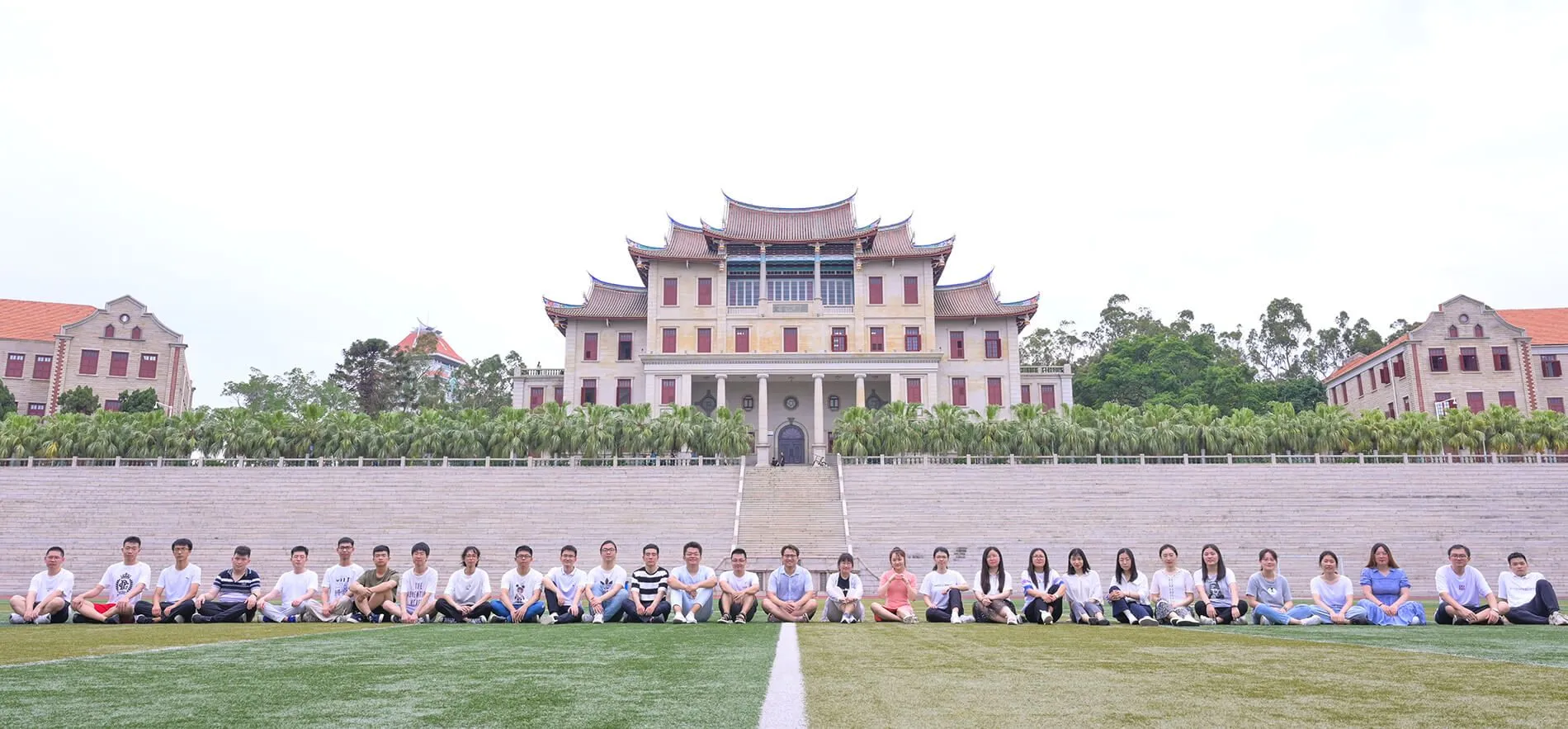
The Cheng Group

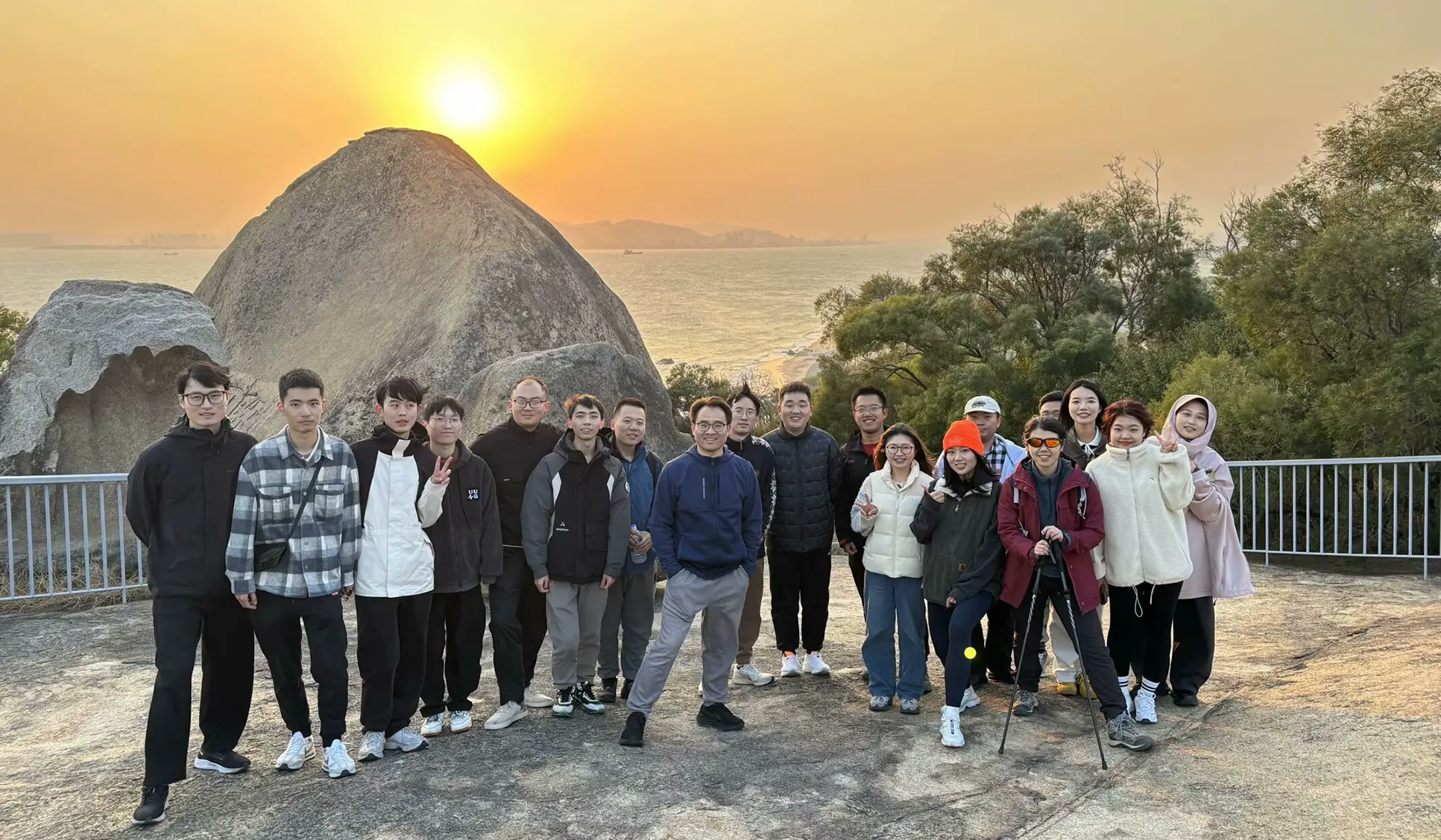
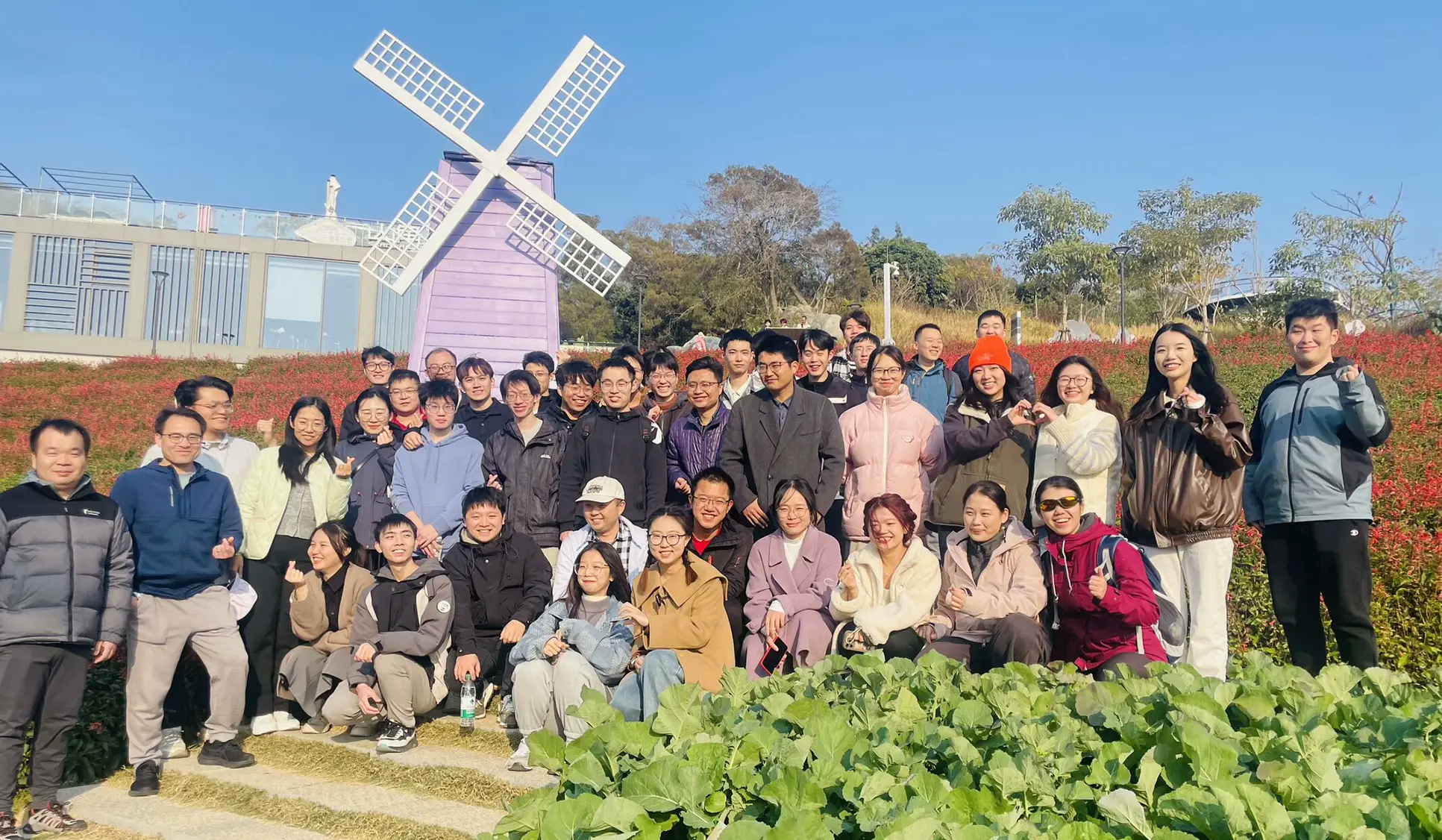
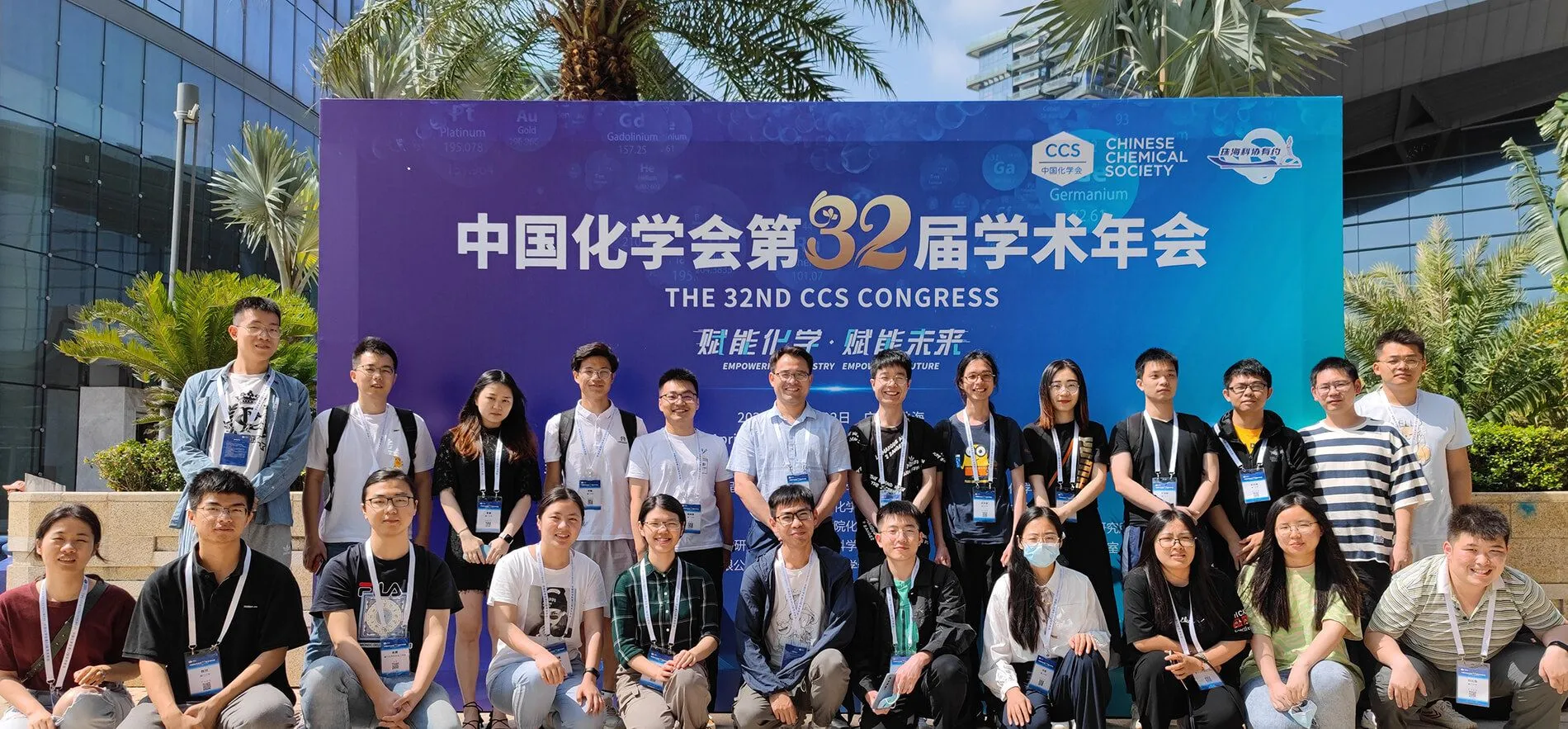
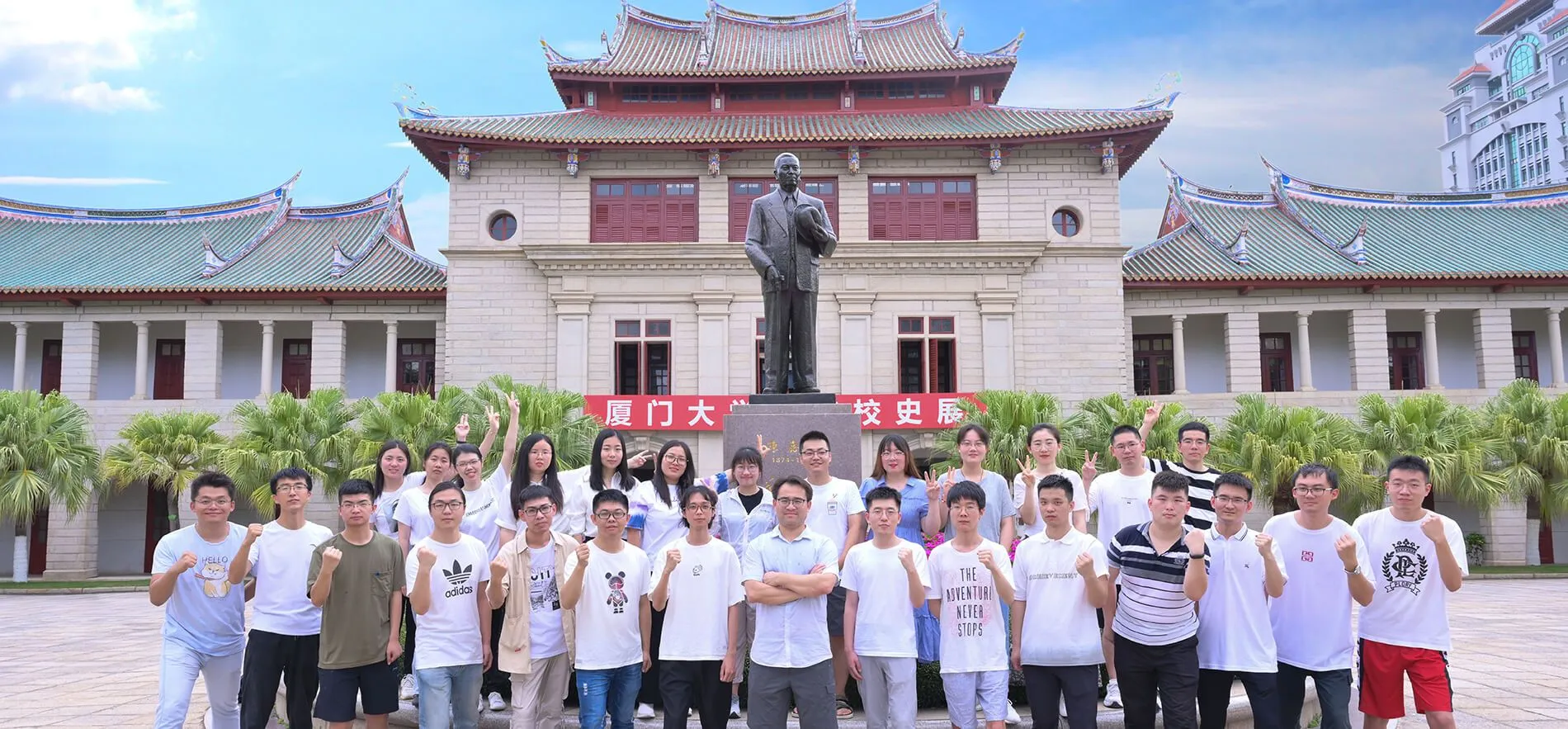
The Cheng Group brings together experts from materials science, chemistry, and computer science to drive the deep integration of artificial intelligence and computational methods. The team conducts cutting-edge, cross-scale, and multi-modal research across three areas: fundamental research, technological innovation, and industrial applications. In fundamental research, the focus is on key scientific challenges such as electrochemical interface dynamics, catalyst evolution, and oxide surface/interface regulation. By developing proprietary theoretical models and efficient computational methods, the team provides theoretical support for advancements in electrochemical technology. In technological innovation, the group integrates large language models, knowledge graphs, and AI technologies to build an AI toolchain for chemical knowledge mining, intelligent materials design, and spectral data analysis. For industrial applications, the team develops AI-driven solutions such as electrolyte screening systems, electronic electroplating optimization platforms, and multi-modal characterization models. These innovations accelerate the intelligent transformation of materials research from microscopic mechanisms to macroscopic performance in key areas like energy storage, spectroscopy, and chip manufacturing.

Latest News